Understanding the Expertise Gap
Property owners in Utah often assume that any crew handling trees is qualified for all aspects of tree care. However, professional tree trimmers bring specialized skills, training, and equipment that landscaping crews may lack. Arbor Plus has observed that understanding these differences is essential to protecting trees, maintaining safety, and maximizing the value of outdoor spaces.
This guide examines why professional tree trimmers matter, what sets them apart from general landscaping crews, and how property managers and homeowners can make informed choices.
Training and Certification
Professional tree trimmers undergo extensive training in arboriculture – the science and care of trees. They learn to assess tree health, recognize disease, and determine structural stability. Certification programs and continuous education ensure these experts stay current with best practices, safety protocols, and regional growth patterns.
Landscaping crews typically focus on general maintenance tasks such as mowing, planting, and ornamental pruning. While skilled at shaping shrubs and garden plants, they do not possess the same depth of knowledge for complex tree care or risk assessment.
Specialized Equipment and Techniques
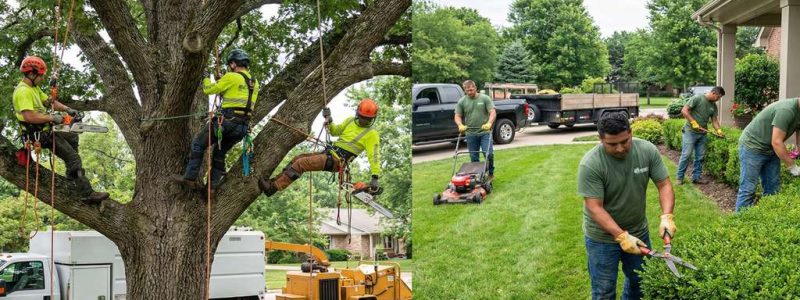
Trees require specialized tools for safe and effective care. Professional tree trimmers use climbing gear, harnesses, rigging ropes, and pole saws designed for precision. They also employ aerial lifts and cranes when necessary, particularly for tall or hazardous trees.
Landscaping crews often rely on standard pruning tools and may lack the equipment or experience to manage large limbs safely. Improper cutting techniques can damage trees, increase vulnerability to disease, or create structural weaknesses over time.
Safety Standards and Risk Management
Working with trees involves significant risk. Professional tree trimmers follow strict safety guidelines to protect themselves, property, and bystanders. They evaluate load distribution, anchor points, and drop zones before beginning any cut. Accident prevention is a core focus, especially in commercial or densely populated areas.
Landscaping crews may not adhere to the same rigorous standards or have the training to manage high-risk situations. Hiring certified professionals reduces liability and ensures that work is conducted with minimal chance of injury or property damage.
Tree Health and Long-Term Care
Professional tree trimmers understand how pruning affects tree growth, stability, and overall health. They identify deadwood, disease, and pest damage, implementing targeted solutions to improve resilience. Techniques like crown thinning, cabling, and selective pruning extend tree longevity and enhance structural integrity.
Landscaping crews may provide basic tree trimming or aesthetic shaping, but they often overlook underlying issues that threaten long-term health. Over-pruning, improper cuts, or neglecting root care can lead to premature decline or hazardous conditions.
Emergency Response and Storm Preparedness
Utah’s weather can present challenges such as high winds, snow, and ice accumulation. Professional tree trimmers are trained to respond to storm damage, safely remove fallen limbs, and stabilize weakened trees. Their knowledge of structural support and pruning strategy mitigates future risks.
Landscaping crews may lack the experience or equipment for emergency interventions, leaving property owners vulnerable to repeated damage or costly repairs.
Cost Considerations and Value
Professional tree trimmers often charge more than general landscaping crews. However, the investment is justified by expertise, safety, and long-term savings. Proper pruning, risk assessment, and maintenance prevent emergencies, reduce property damage, and extend tree lifespan.
In contrast, cutting costs by hiring general landscaping crews can result in hidden expenses. Damage from improper trimming, pest infestations, or accelerated tree decline often outweighs initial savings.
When to Hire a Professional Tree Trimmer
Homeowners and commercial property managers should consider professional tree trimmers for:
- Large or tall trees requiring aerial work
- Trees showing signs of disease or structural weakness
- Storm damage or emergency removal
- Long-term care plans for significant landscape investments
- Projects involving risk to structures, pedestrians, or vehicles
For routine lawn and garden maintenance, landscaping crews are appropriate. However, when trees are involved, specialized care ensures safety, health, and property protection.
Integrating Both Services
Many property managers and homeowners combine both services strategically. Landscaping crews handle general upkeep, mulch beds, and ornamental pruning. Professional tree trimmers focus on risk assessment, structural pruning, and emergency response.
Arbor Plus often develops annual maintenance plans that coordinate both types of work. This approach maximizes efficiency, maintains property aesthetics, and ensures trees receive expert care when needed.
Summary of Key Differences
| Feature | Professional Tree Trimmers | Landscaping Crews |
| Training & Certification | Specialized arboriculture | General landscaping |
| Safety Protocols | Rigorous, risk-managed | Basic safety focus |
| Equipment | Climbing gear, lifts, rigging | Hand tools, basic pruning equipment |
| Tree Health Knowledge | Disease, structural integrity | Basic pruning & shaping |
| Emergency Response | Trained & equipped | Limited |
| Long-Term Value | High | Moderate |
This table highlights why property owners should evaluate the type of work and expertise required before hiring a team for tree care.
Conclusion: Making the Right Choice
Understanding the distinction between professional tree trimmers and landscaping crews is critical for maintaining healthy, safe, and aesthetically pleasing trees. Arbor Plus in Utah emphasizes the importance of hiring certified arborists for complex or high-risk tree work while using landscaping crews for routine garden maintenance.
Investing in professional expertise preserves property value, minimizes liability, and ensures that trees remain a safe and enduring asset. In 2026, smart property managers recognize that strategic tree care combines knowledge, precision, and preventative planning for optimal results.