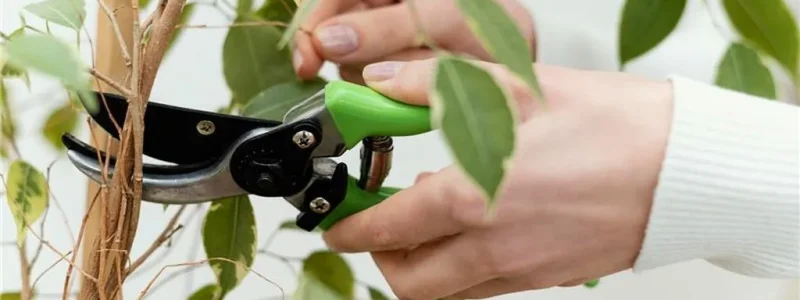
Trees are living structures that grow, age, and respond to their surroundings. Without proper care, even a strong tree can develop weak limbs, uneven growth, or health problems that are not visible at first glance. This is where professional Tree Pruning Services play a vital role.
Pruning is not simply cutting branches. It is a methodical process that supports tree health, safety, and long-term growth. When done correctly, pruning strengthens structure, improves appearance, and reduces the risk of damage to people and property. When done poorly or at the wrong time, it can weaken a tree and shorten its lifespan.
Homeowners often ask the same questions. When should trees be pruned? Why is pruning necessary? How often does it need to be done? This guide answers those questions clearly and practically, based on proven arborist practices.
Why Tree Pruning Services Matter
Trees do not grow evenly by default. Branches compete for sunlight, water, and space. Over time, this competition can lead to dead limbs, crossing branches, and structural imbalance. Professional Tree Pruning Services address these issues before they become serious problems.
One of the most important reasons for pruning is safety. Weak or damaged branches can break during high winds, snowstorms, or heavy rain. In Salt Lake City, seasonal weather changes increase this risk. Proper pruning reduces the chance of falling limbs that could damage roofs, vehicles, or power lines.
Tree health is another key factor. Removing diseased or dying branches prevents decay from spreading throughout the tree. Pruning also improves air circulation and sunlight exposure, which helps reduce fungal growth and pest activity.
From an aesthetic standpoint, pruning maintains a tree’s natural shape. A well-pruned tree looks balanced and intentional rather than overgrown or neglected. This contributes to curb appeal and property value.
At Arbor Plus – Tree Service in Salt Lake City, pruning is approached as preventative care rather than reactive maintenance.
When Is the Best Time to Prune Trees?
Timing plays a critical role in successful pruning. The best time to prune depends on the type of tree and the reason for pruning.
For most deciduous trees, late winter or early spring is ideal. During this dormant period, trees are not actively growing, which reduces stress and allows wounds to heal more efficiently once growth resumes. Structural pruning during this time encourages strong branch development.
Summer pruning is often used for corrective purposes. Removing damaged, hazardous, or diseased limbs during summer helps protect the tree and surrounding area. It can also slow excessive growth in certain species.
Fall pruning is generally discouraged. As trees prepare for dormancy, fresh cuts heal more slowly, increasing the risk of disease and decay. There are exceptions, such as removing dead or dangerous branches that pose an immediate threat.
Evergreen trees often require lighter pruning and can be pruned in late winter or early summer, depending on species and condition.
Professional Tree Pruning Services assess timing carefully to match tree biology with local climate conditions.
How Often Should Trees Be Pruned?
There is no single schedule that works for every tree. Pruning frequency depends on tree species, age, location, and overall health.
Young trees benefit from pruning every one to two years. Early pruning helps establish proper structure and reduces the need for major corrective work later. This stage focuses on removing competing leaders and poorly spaced branches.
Mature trees usually require pruning every three to five years. At this stage, the goal is maintenance rather than shaping. Deadwood removal, thinning crowded areas, and addressing safety concerns are the primary tasks.
Trees near homes, sidewalks, or utility lines may need more frequent attention. Environmental stress, storm exposure, and soil conditions also affect pruning needs.
Routine inspections by a professional arborist help determine the right pruning cycle. Arbor Plus – Tree Service in Salt Lake City provides evaluations that prioritize tree health rather than unnecessary cutting.
How Professional Tree Pruning Services Work
Professional pruning follows industry standards that protect both the tree and the property owner.
The process begins with a visual assessment. Arborists examine branch structure, growth patterns, signs of disease, and potential hazards. Each cut is planned before work begins.
Proper pruning cuts are made at the correct angle and location to promote natural healing. Random or flush cuts damage the tree’s protective tissues and can lead to decay.
Common pruning techniques include crown cleaning, crown thinning, crown raising, and structural pruning. Each method serves a specific purpose and is applied based on the tree’s condition and environment.
Safety is also a critical component. Professional crews use proper equipment and techniques to prevent injury and property damage. This is especially important for large trees or trees located near buildings and power lines.
Signs Your Tree Needs Pruning
Many tree issues develop gradually. Recognizing early warning signs helps prevent larger problems.
Dead or broken branches are the most obvious indicators. These limbs pose immediate safety risks and should be removed promptly.
Branches that rub against each other create wounds that invite pests and disease. Dense canopies that block sunlight and airflow also signal the need for thinning.
Uneven growth, leaning branches, or heavy limbs extending over structures require professional evaluation. Trees that have not been pruned in many years often benefit from gradual corrective pruning rather than aggressive cutting.
If you notice reduced leaf growth, visible decay, or storm damage, professional Tree Pruning Services can help restore balance and stability.
Local Experience Matters
Tree care is not universal. Soil conditions, altitude, weather patterns, and native species all influence pruning strategies. Salt Lake City’s climate presents unique challenges, including temperature swings, snowfall, and dry conditions.
Arbor Plus – Tree Service in Salt Lake City understands these regional factors. Their pruning methods reflect local tree species behavior and seasonal timing. This experience helps ensure pruning supports long-term tree health rather than short-term appearance.
Choosing the Right Tree Pruning Service
Not all pruning services are equal. Proper training, insurance, and experience matter. Poor pruning can permanently damage a tree and increase liability risks for homeowners.
A professional tree service should explain why pruning is needed, what methods will be used, and how often future maintenance should occur. Transparent communication reflects expertise and care.
Arbor Plus – Tree Service in Salt Lake City offers informed, practical pruning solutions backed by experience and local knowledge.
Long-Term Benefits of Proper Pruning
Consistent, professional pruning extends the life of trees. It reduces emergency situations, improves structural strength, and supports steady growth.
Healthy trees contribute shade, air quality, and property value. They also require less corrective work over time when maintained properly.
Tree Pruning Services are an investment in safety, beauty, and environmental health.
Call Arbor Plus today at 801-485-8733 and schedule your professional tree pruning service.