Overgrown Trees and Property Value: What Utah Owners Should Know
First Impressions Matter More Than You Think
In Utah’s competitive real estate market, small details often influence big decisions. Landscaping is one of those details, and trees play a central role. Healthy, well-maintained trees add character and shade. Overgrown trees can quietly work against a property’s value.
Many owners assume that more growth means more value. In reality, unmanaged growth often signals neglect. Buyers, inspectors, and appraisers notice it immediately.
Understanding how tree care affects property value helps owners protect their investment and avoid preventable issues.
How Overgrown Trees Affect Curb Appeal
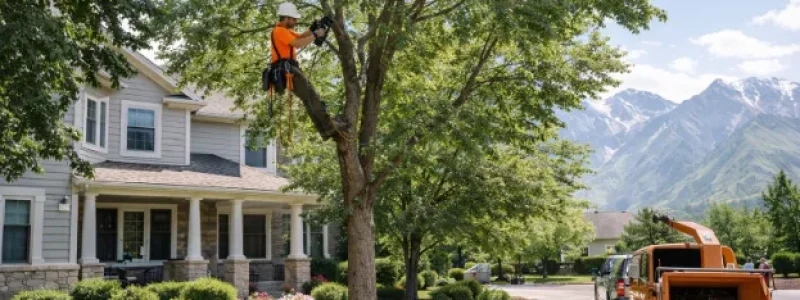
Curb appeal shapes first impressions before anyone steps inside. Trees that block views, crowd structures, or hang low over walkways create a sense of disorder.
Overgrowth can make a property appear smaller, darker, and harder to maintain. Branches that touch roofs or windows raise questions about damage and long-term upkeep.
Proper tree care restores balance. Pruning opens sightlines, improves light, and highlights the home rather than hiding it.
Structural Risks Buyers Notice
Overgrown trees often come with hidden risks. Heavy limbs over roofs, garages, or fences suggest future repair costs.
In Utah, snow load adds weight to already stressed branches. Wind and seasonal storms increase the chance of breakage. Buyers consider these factors carefully.
Professional tree care reduces these risks. Well-managed trees look safer because they are safer.
Root Systems and Property Damage
What happens below ground matters just as much. Overgrown trees often have aggressive or unmanaged root systems.
Roots can damage driveways, sidewalks, foundations, and underground utilities. These issues may not be visible during a casual walk-through, but inspectors look for warning signs.
A tree care plan that includes root management protects both trees and structures. It also prevents unpleasant surprises during inspections.
Insurance and Liability Concerns
Overgrown trees can affect insurance evaluations. Limbs over structures or public walkways increase liability exposure.
If a branch falls and causes damage or injury, owners may face coverage disputes if maintenance has been neglected. Insurers often expect reasonable tree care as part of property upkeep.
Maintained trees lower risk. This matters to buyers who plan to insure the property immediately after purchase.
The Appraisal Perspective
Appraisers consider landscaping as part of overall condition. Trees that enhance usability and appearance add value. Trees that restrict access or pose risks can reduce it.
Overgrown vegetation may lead to notes about deferred maintenance. These notes influence lending decisions and buyer confidence.
Consistent tree care supports higher appraised value by presenting the property as well managed.
Utah Climate and Growth Patterns
Utah’s climate creates unique tree care challenges. Dry summers, heavy snow, and sudden temperature changes stress trees over time.
Overgrowth weakens structural integrity under snow load. Dense canopies trap moisture and encourage disease. Drought conditions strain roots competing for limited water.
Tree care adapted to Utah conditions improves resilience and appearance. It also extends the life of valuable trees.
Trees That Add Value Versus Trees That Hurt It
Not every large tree is a problem. Mature trees can significantly boost property appeal when properly maintained.
Problems arise when size exceeds structure. Trees planted too close to buildings or left unpruned for years lose their benefit.
Professional tree care evaluates whether a tree enhances or detracts from value and recommends appropriate action.
Timing Matters for Sellers
Owners preparing to sell often wait too long to address tree issues. Last-minute pruning rarely produces the best results.
Tree care works best when planned ahead. Gradual pruning preserves tree health while improving form.
Early attention allows trees to respond naturally, creating a healthier appearance by listing time.
Buyers Think Long Term
Buyers consider maintenance beyond purchase. Overgrown trees suggest future expense and effort.
A property with balanced, healthy trees feels easier to manage. That perception affects offer strength and negotiation.
Tree care is not just about appearance. It is about confidence.
The Arbor Plus Approach to Tree Care
At Arbor Plus, tree care focuses on long-term property value as much as tree health. Each tree is evaluated in relation to its surroundings.
The goal is balance. Healthy growth that complements structures, improves safety, and supports property goals.
Recommendations are practical and tailored to Utah conditions, not generic solutions.
Protecting Value Through Informed Care
Overgrown trees do not become a problem overnight. They develop slowly, often unnoticed by owners focused on other priorities.
Regular tree care prevents value loss and supports strong first impressions. It also protects against safety risks and inspection issues.
For Utah property owners, trees are assets when managed well and liabilities when ignored.
Value Grows With Attention
Tree care is an investment in appearance, safety, and confidence. It reflects pride of ownership and attention to detail.
When trees are properly maintained, they frame the property rather than overwhelm it.
That difference shows in value.