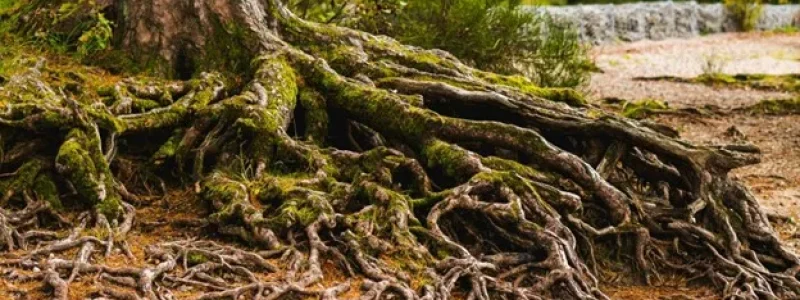
Landscaping can improve the appearance and usefulness of a property, but changes around established trees require careful planning. Digging for patios, planting beds, irrigation lines, fences, retaining walls, and other features can disturb tree roots. Even when roots are not visible above ground, they can extend well beyond the trunk and occupy a large part of the surrounding soil.
Damage to those roots may affect a tree gradually. A tree can appear healthy immediately after landscaping and show signs of stress months or even years later.
For Utah homeowners, protecting tree roots is especially important because dry conditions, variable soils, and seasonal weather can already place stress on established trees. A thoughtful landscaping plan can help protect both the trees and the improvements being added to the property.
Understand Where Tree Roots Grow
One of the first steps in protecting tree roots is understanding their location.
Many homeowners assume that roots grow primarily beneath the trunk and extend deep into the ground. In reality, a large portion of a tree’s absorbing roots can be found in the upper layers of soil. These roots may spread outward well beyond the tree’s canopy.
The exact root pattern depends on the tree species, soil conditions, available moisture, and surrounding landscape.
This means digging several feet away from the trunk can still affect important roots.
Before starting major landscaping work, consider the entire area around the tree rather than focusing only on the base.
Avoid Cutting Large Roots
Large structural roots help support the tree and contribute to its stability.
Cutting them during excavation can weaken the tree’s root system and may create structural concerns. Severed roots can also provide openings for decay organisms.
If landscaping plans require excavation near an established tree, determine whether the design can be adjusted to avoid major roots.
When roots are encountered during digging, do not automatically cut them. A qualified tree care professional can help determine how the work should proceed.
Plan Before You Dig
Landscaping projects often involve more digging than homeowners initially expect.
A new patio may require excavation and grading. Irrigation systems require trenches. Fence posts require holes. Retaining walls may involve significant soil removal.
Before work begins, identify where these activities will occur in relation to nearby trees.
Create a basic site plan showing the location of existing trees and proposed landscaping features.
If a large mature tree is close to the planned work, consider modifying the design before excavation begins.
Early planning is usually much easier than trying to repair root damage after construction has started.
Protect the Soil From Compaction
Tree roots require air, water, and suitable soil conditions.
Heavy machinery, construction vehicles, piles of building materials, and repeated foot traffic can compact the soil around a tree.
Compacted soil can reduce the movement of air and water through the soil and make it harder for roots to function properly.
Designate access routes for construction equipment and keep unnecessary traffic away from tree root zones.
Even when excavation is not taking place, protecting the soil can help preserve existing root health.
Be Careful With Grade Changes
Changing the level of soil around a mature tree can affect its roots.
Adding several inches of soil may reduce the amount of air reaching roots near the surface. Removing soil can expose roots to drying conditions and physical damage.
Both situations can create stress.
If a landscaping project requires substantial grading near established trees, consider the effect before moving soil.
The safest approach depends on the tree, soil, existing grade, and proposed change. A professional assessment can help determine whether the project should be adjusted.
Protect Roots During Construction
Construction areas can become crowded quickly.
Equipment, tools, lumber, soil, concrete materials, and other supplies may end up near existing trees.
Establish a protected area around important trees before work begins.
Use clear barriers to keep equipment and materials away from the designated root protection area.
The exact size of the protected area should reflect the tree and site conditions.
Simply telling workers to be careful may not be enough. A clearly marked area makes the protection requirement easier to understand.
Avoid Covering Roots With Hard Surfaces
Installing concrete, asphalt, pavers, or other hard surfaces over a large portion of the soil around a tree can change water and air movement.
The impact depends on the tree species, existing conditions, size of the covered area, and construction method.
When designing patios, driveways, sidewalks, or other hardscaping near trees, consider how much of the root zone will remain open.
Where appropriate, landscape designs can be adjusted to provide sufficient soil and water access.
Plan Irrigation Carefully
Landscaping can change how water reaches tree roots.
Installing a new lawn or irrigation system may increase or decrease the amount of water available to an established tree.
A mature tree may already have an extensive root system that receives water from rainfall and existing irrigation.
Changes to irrigation should therefore be considered as part of the entire landscape plan.
Avoid creating conditions in which soil remains constantly saturated. Excess moisture can reduce oxygen around roots and contribute to root problems.
At the same time, insufficient water can create stress, particularly during hot and dry periods.
Use Mulch Correctly
Mulch can be useful around trees when applied properly.
It can help conserve soil moisture, moderate soil temperatures, and reduce competition from grass and weeds.
However, mulch should not be piled against the trunk.
A thick mound around the trunk can keep bark consistently damp and create conditions that contribute to decay or other problems.
Spread mulch evenly over the appropriate area and leave space around the trunk.
The purpose is to improve conditions around the root zone rather than cover the tree’s base.
Choose Plants Carefully
New plants compete with established trees for water, nutrients, and growing space.
When adding shrubs, flowers, or ground cover near mature trees, consider the effect of the new planting on the existing root system.
Avoid unnecessary digging around large roots.
Some landscape plants may also have different water requirements from the tree. Grouping plants according to similar water needs can make irrigation easier to manage.
A thoughtful planting plan can reduce the amount of disturbance required around established trees.
Avoid Damage From Lawn Equipment
Tree roots are not the only part of the tree that can be damaged during routine landscaping.
Mowers, string trimmers, and other equipment can injure exposed roots and bark.
Repeated mechanical damage can create wounds that may become entry points for decay organisms or pests.
Keep lawn equipment away from the trunk and exposed surface roots.
A mulch area can reduce the need to mow directly around the base of the tree.
Consider Utah’s Growing Conditions
Utah homeowners face several conditions that can affect tree health.
Dry summers can increase water demand. Soil types vary between communities, and urban development can create compacted or restricted root zones.
Landscaping changes can add another source of stress if they alter drainage, soil grade, irrigation, or available growing space.
Before making major changes around established trees, consider how the project will affect these factors.
Local tree species and site conditions should also influence decisions about watering, planting, grading, and soil management.
Have Large Trees Assessed Before Major Projects
Some landscaping projects are simple enough for homeowners to manage themselves. Larger projects near mature trees require more planning.
If excavation, grading, construction, or major irrigation changes are planned close to an established tree, consider having the tree and surrounding site evaluated by a qualified arborist.
A professional can identify structural roots, assess tree condition, and provide guidance on potential construction impacts.
Early advice can help homeowners modify a landscape design before work begins.
Protect Roots From the Start
Arbor Plus helps Utah property owners maintain healthy trees and address the challenges associated with established landscapes.
Tree root protection begins before the first shovel enters the ground. Homeowners should identify existing trees, consider the likely root zone, plan construction access, protect soil from compaction, and avoid unnecessary root disturbance.
Landscaping should work with existing trees rather than treating them as obstacles that can be dealt with after construction.
Preserve What Is Already Growing
Established trees provide shade, structure, habitat, and long-term value to a property. Their root systems are an important part of everything that happens above the soil.
Protecting those roots during landscaping requires planning and attention to the soil, water, grade, and construction activities around the tree.
Before installing a patio, planting bed, fence, irrigation line, retaining wall, or other landscape feature, consider how the project may affect nearby roots.
A few thoughtful decisions made before construction can help prevent years of tree stress. For Utah homeowners, protecting the root zone is one of the simplest ways to make landscaping work more compatible with healthy, established trees.