Building Without Damaging Valuable Trees
Construction projects often improve homes and commercial properties, but they can also place mature trees at serious risk. Whether you are adding a new home addition, installing a driveway, building a patio, or developing a commercial site, nearby trees can suffer lasting damage if proper precautions are not taken.
Many construction-related tree injuries occur below ground where they are not immediately visible. Damage to roots, soil, or the tree trunk may not produce symptoms until months or even years after the project is complete. By that time, recovery can be difficult or impossible.
Protecting trees before construction begins is one of the most effective ways to preserve healthy landscapes and avoid expensive tree removal later.
At Arbor Plus, we work with homeowners, contractors, and property managers throughout Utah to help protect valuable trees before, during, and after construction projects.
Why Construction Can Harm Trees
Trees depend on healthy root systems, stable soil, and undisturbed growing conditions.
Construction activities often interfere with these essential elements.
Common construction impacts include:
- Soil compaction
- Root cutting
- Grade changes
- Heavy equipment traffic
- Trunk injuries
- Excavation
- Utility installation
- Material storage beneath tree canopies
Even healthy, mature trees can decline when these conditions affect their root systems.
Most Tree Damage Happens Below Ground
Many people focus on protecting branches and trunks while overlooking the roots.
A large percentage of a tree’s absorbing roots grow within the upper portion of the soil, making them especially vulnerable during excavation and grading.
Root damage can lead to:
- Reduced water absorption
- Poor nutrient uptake
- Slower growth
- Increased disease susceptibility
- Structural instability
- Premature tree decline
Because roots often extend well beyond the visible canopy, construction work several feet away from the trunk may still affect tree health.
Begin With a Professional Tree Assessment
Before construction starts, schedule an inspection with a certified arborist.
A professional evaluation identifies:
- Tree species
- Overall health
- Structural condition
- Root protection areas
- Existing defects
- Trees requiring preservation
- Trees that may present safety concerns
This information helps contractors develop construction plans that reduce unnecessary damage.
Establish Tree Protection Zones
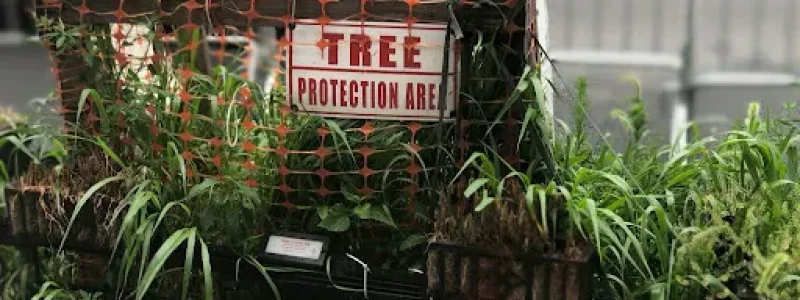
One of the most effective preservation methods is creating clearly marked tree protection zones.
These protected areas prevent equipment and workers from entering sensitive root zones.
Protection zones should:
- Surround the tree whenever possible
- Be fenced before construction begins
- Remain in place throughout the project
- Prevent vehicle traffic
- Keep building materials outside protected areas
Temporary fencing provides a clear reminder that the area should remain undisturbed.
Avoid Soil Compaction
Compacted soil reduces the spaces that normally contain air and water.
Without adequate oxygen, tree roots struggle to function properly.
Common causes of compaction include:
- Heavy machinery
- Repeated foot traffic
- Material storage
- Construction staging
Protecting soil structure helps preserve healthy root systems.
Prevent Root Damage
Excavation is one of the leading causes of construction-related tree injury.
Whenever possible:
- Avoid trenching near mature trees.
- Use alternative utility routes.
- Hand dig when working near roots.
- Consult an arborist before cutting major roots.
Removing large roots may reduce both tree stability and long-term health.
Protect the Tree Trunk
Construction equipment frequently causes accidental trunk injuries.
Damage may include:
- Scraped bark
- Impact wounds
- Broken branches
- Crushed bark tissue
Protective trunk barriers help reduce accidental contact from machinery and construction materials.
Healthy bark serves as the tree’s protective layer against insects and disease.
Avoid Changing Soil Grade
Adding or removing soil around trees changes the environment surrounding the root system.
Grade changes may:
- Reduce oxygen availability
- Alter drainage
- Bury important roots
- Increase root stress
Whenever possible, maintain the original soil level around mature trees.
Keep Construction Materials Away From Trees
Materials stored beneath trees often create unexpected problems.
Avoid placing these items near tree roots:
- Gravel
- Concrete
- Lumber
- Bricks
- Sand
- Chemicals
- Fuel containers
These materials increase soil compaction and may introduce harmful substances into the root zone.
Water Trees During Construction
Construction often places additional stress on trees.
Maintaining adequate soil moisture helps trees tolerate changing conditions.
Watering recommendations include:
- Deep watering during dry periods
- Monitoring soil moisture regularly
- Avoiding excessive watering
- Adjusting irrigation after grading changes
Healthy roots recover more effectively when moisture levels remain consistent.
Monitor Trees After Construction
Tree damage may not become obvious immediately.
Continue monitoring trees for:
- Leaf discoloration
- Sparse canopy
- Dead branches
- Reduced annual growth
- Premature leaf drop
- Fungal growth
- Leaning or instability
Regular inspections help identify problems before they become severe.
Why Certified Arborists Matter
Construction projects involve many decisions that affect long-term tree health.
Certified arborists provide valuable guidance by:
- Evaluating preservation opportunities
- Designing tree protection plans
- Supervising root protection
- Recommending corrective pruning
- Monitoring tree health after construction
Professional involvement often saves valuable trees that might otherwise decline.
Tree Protection Checklist
| Construction Activity | Recommended Protection |
| Excavation | Protect root zones |
| Heavy equipment | Install protective fencing |
| Utility installation | Hand dig near roots |
| Material storage | Keep outside root zone |
| Soil grading | Preserve existing soil level |
| Construction traffic | Restrict access around trees |
Planning Today Protects Trees Tomorrow
Construction and tree preservation can successfully coexist when careful planning begins before the first piece of equipment arrives. Protecting root systems, preventing soil compaction, maintaining proper watering, and consulting a certified arborist all contribute to healthier trees during and after construction.
Mature trees require years to develop but can suffer permanent damage in only a few days if proper precautions are overlooked. Taking preventive measures helps preserve valuable landscapes while supporting successful construction projects.
At Arbor Plus, our certified arborists help Utah property owners develop effective tree protection plans that preserve mature trees, improve long-term landscape health, and reduce the risk of unnecessary tree loss.