Mastering Plant Health
Shrub trimming is a cornerstone of maintaining vibrant, healthy landscapes in Utah. While it may appear simple at first glance, effective shrub care requires knowledge of plant biology, seasonal growth patterns, and precise cutting techniques. Arbor Plus has observed that homeowners and property managers benefit greatly when they rely on trained professionals rather than attempting trimming without guidance.
This guide explores how professional shrub trimming enhances plant health, extends lifespan, and supports a visually appealing landscape throughout the year.
Why Proper Shrub Trimming Matters
Shrubs play a critical role in commercial and residential landscapes. They provide structure, privacy, and aesthetic appeal. However, untrimmed or improperly cut shrubs can suffer from poor air circulation, pest infestations, and uneven growth. Overgrown branches may shade weaker areas, leading to dieback and reduced overall vitality.
Professional shrub trimming promotes balanced growth, strengthens plants, and prevents disease. It also encourages flowering and dense foliage, enhancing both beauty and ecological benefits.
Understanding Seasonal Growth Patterns
Each shrub species has unique growth patterns that determine the best trimming schedule. Professionals account for:
- Spring-flowering shrubs, which are typically pruned immediately after blooming
- Summer-flowering varieties, which respond best to early spring pruning
- Evergreen shrubs, requiring light shaping to maintain form without stressing the plant
Arbor Plus schedules shrub trimming strategically, ensuring cuts do not interfere with blooming cycles or stress the plant during extreme seasonal conditions common in Utah.
Techniques Used by Professionals
Professional shrub trimming involves more than simply cutting back overgrowth. Techniques include:
- Selective Pruning – Removing dead, damaged, or diseased branches while preserving healthy growth
- Shaping – Maintaining natural form while improving light penetration and air circulation
- Thinning – Removing interior branches to reduce density, encouraging airflow and reducing pest and disease
These methods differ significantly from casual trimming, which often focuses only on appearance rather than long-term plant health.
Tools of the Trade
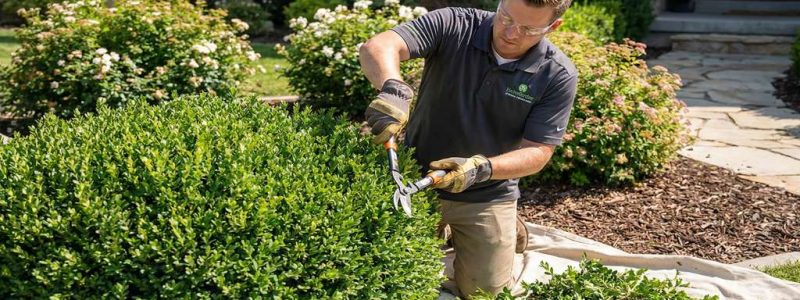
Proper tools make a substantial difference in outcomes. Professional shrub trimmers use hand pruners, loppers, hedge shears, and saws designed for specific branch thickness and plant types. Tools are kept sharp and clean to prevent tearing or spreading disease.
Using inappropriate or dull tools can damage shrubs, slow growth, and increase susceptibility to pests. Arbor Plus emphasizes the importance of tool hygiene, precision, and technique in every shrub trimming project.
Safety Considerations
Shrub trimming may seem low-risk, but safety remains critical. Professionals account for branch stability, overhead hazards, and proper posture to prevent injury. On commercial properties, additional precautions include avoiding pedestrian areas and protecting nearby structures or landscaping features.
Homeowners who attempt DIY trimming without experience may inadvertently harm themselves or the plants, highlighting the value of professional expertise.
Pest and Disease Prevention
Trimming is not just cosmetic. Pruning helps prevent disease by removing affected branches and improving airflow. Dense or overgrown shrubs can harbor pests, fungi, and mold, which spread quickly if not managed. Arbor Plus combines routine trimming with monitoring to maintain plant health and reduce chemical interventions.
Early identification of disease symptoms during trimming allows for targeted treatment, minimizing damage and ensuring healthy growth.
Seasonal Maintenance Schedule
Professionals recommend a maintenance schedule tailored to the specific shrubs on the property:
| Season | Key Tasks | Purpose |
| Early Spring | Light shaping, remove deadwood | Promote new growth, prevent winter damage |
| Late Spring | Flowering shrub pruning | Maintain bloom quality |
| Summer | Thinning, shaping | Encourage airflow, reduce disease risk |
| Fall | Light trimming, cleanup | Prepare for winter, remove diseased material |
Following a seasonal schedule keeps shrubs healthy year-round, reduces emergency interventions, and maintains aesthetic appeal.
Integrating Shrub Trimming with Landscape Care
Shrub trimming works best when integrated into broader landscape maintenance. This includes proper watering, fertilization, mulching, and pest management. Professional teams coordinate these tasks, ensuring that pruning complements overall plant health and property aesthetics.
Arbor Plus emphasizes that integrated care enhances the longevity of shrubs, reduces stress, and promotes a thriving landscape ecosystem.
Choosing a Professional Shrub Trimmer
Hiring an experienced team ensures that shrub trimming is performed correctly and safely. Key considerations include:
- Knowledge of plant species and growth patterns
- Use of appropriate tools and techniques
- Consistent seasonal maintenance planning
- Ability to identify and address pests and disease
- Proven experience with residential and commercial landscapes
Professional shrub trimmers provide value by reducing plant stress, preventing disease, and enhancing visual appeal, making them a worthwhile investment for long-term landscape health.
Conclusion: Consistent Care for Lasting Beauty
Shrub trimming is both an art and a science. By combining seasonal timing, proper technique, and professional oversight, property managers and homeowners in Utah can enjoy healthy, attractive plants year-round. Arbor Plus demonstrates that strategic trimming preserves plant health, improves aesthetic appeal, and ensures landscapes thrive under the region’s unique climate conditions.
Investing in professional shrub trimming offers peace of mind, safe execution, and enduring beauty for your property.