When the Weather Clears
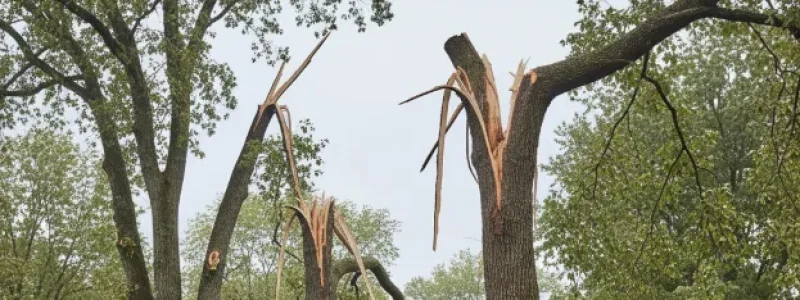
After a night of high winds or heavy snow, the damage is often quiet at first. A branch hangs lower than it should. A tree leans at an unfamiliar angle. Bark litters the ground. Storm damage to trees is not always dramatic, but it can be serious.
The steps taken in the hours and days after a storm play an important role in safety and long-term tree health. Proper tree care during this window helps prevent further damage, protects property, and reduces future risk.
Start With Personal Safety
Before inspecting trees, consider safety. Storm-damaged trees can be unstable, even if they appear intact.
Stay clear of hanging branches, cracked limbs, or trees leaning toward buildings or power lines. Avoid standing beneath damaged canopies. If a tree has made contact with electrical lines, do not approach it. Contact the utility provider immediately.
Tree care begins with protecting people.
Take a Careful Look From a Distance
A visual inspection from a safe distance helps identify obvious hazards. Look for split trunks, uprooted roots, and branches lodged in other trees.
Snow and ice can hide damage. As temperatures rise and snow melts, additional problems may appear. A branch that held overnight may fail later.
This first assessment helps determine whether professional help is needed right away.
Remove Small Debris Only
Homeowners may safely remove small branches and loose debris that are already on the ground. Use caution and proper tools.
Do not attempt to cut large limbs, climb trees, or use chainsaws without training. Improper cuts or unstable footing increase the risk of injury.
Tree care following storms often requires restraint as much as action.
Understand Hidden Damage
Not all storm damage is visible. High winds can weaken branch attachments. Heavy snow can stress limbs and trunks without breaking them.
Cracks may be internal. Root systems may shift beneath the soil. These issues can lead to delayed failure weeks or months later.
Professional tree care evaluations help identify damage that is not immediately obvious.
Avoid Quick Fixes
It may be tempting to tie a leaning tree upright or cut back damaged limbs without guidance. These actions can cause more harm than good.
Trees respond slowly to stress. Poor pruning techniques can open the door to disease and decay. Improper bracing can weaken structural integrity.
Tree care should support recovery, not create new problems.
Why Professional Assessment Matters
Certified arborists are trained to assess storm damage accurately. They understand tree structure, growth patterns, and recovery potential.
A professional evaluation helps determine whether a tree can be saved, requires pruning, or needs removal. This approach balances safety with preservation.
Good tree care prioritizes informed decisions.
Addressing Broken and Hanging Limbs
Broken branches pose an immediate hazard. Hanging limbs can fall without warning.
Professional tree care teams remove damaged limbs using controlled techniques. Proper cuts reduce stress on the tree and promote healing.
Clean pruning supports long-term health.
Managing Leaning Trees
A leaning tree does not always require removal. The cause of the lean matters.
Trees that tilt due to saturated soil may recover as the ground dries. Trees with compromised roots or structural damage often require removal.
Tree care professionals evaluate stability before recommending action.
Snow Damage Requires Patience
Heavy snow can bend branches without breaking them. As snow melts, branches may return to position.
Do not shake or strike branches to remove snow. This can cause breakage.
Patience is part of responsible tree care after snowstorms.
Protecting Surrounding Property
Storm-damaged trees can threaten roofs, fences, vehicles, and walkways.
Addressing hazards early reduces the risk of secondary damage. Professional tree care helps prevent further loss.
Prevention often costs less than repair.
Long-Term Tree Health After a Storm
Storms stress trees physically and biologically. Recovery takes time.
Proper pruning, soil care, and monitoring support healing. Trees may show signs of stress such as leaf drop or reduced growth in the following season.
Ongoing tree care helps restore strength and balance.
Preventing Future Storm Damage
While storms cannot be controlled, preparation reduces impact.
Regular pruning improves structure and wind resistance. Removing weak limbs before storms lowers failure risk.
Healthy trees withstand stress better than neglected ones.
Tree care is an ongoing process.
When Removal Is the Best Option
Some trees cannot be saved safely. Severe trunk splits, uprooted roots, or extensive decay compromise stability.
Professional removal protects surrounding areas and allows space for future planting.
Responsible tree care includes knowing when to let go.
Working With a Trusted Local Expert
Local knowledge matters in tree care. Climate, soil, and common species influence how trees respond to storms.
Arbor Plus provides professional tree care services informed by regional experience. Their team understands the conditions that affect local trees and offers practical solutions after storm events.
Experience supports sound judgment.
A Thoughtful Response Makes the Difference
Storm damage can feel overwhelming. Acting calmly and deliberately helps protect both people and trees.
Tree care after storms is not about quick fixes. It is about careful evaluation, safe practices, and long-term health.
With the right approach, many trees can recover and continue to thrive.