Trees add shade, privacy, and value to a property. They also carry risk when they are diseased, unstable, storm-damaged, or too close to structures. In those moments, Tree Removal Services are not about cutting corners or moving fast. They are about planning, control, and protecting people and property.
When Removal Is the Right Call
Not every tree problem needs removal. Pruning, cabling, or treatment can often extend a tree’s life. Still, there are situations where removal is the safer and more practical choice.
Common reasons homeowners request removal:
- Dead or dying trees: A tree with major dieback, hollow sections, or advanced decay can fail without warning.
- Storm damage: Split trunks, hanging limbs, and partially uprooted trees can become urgent hazards.
- Structural risk: Trees leaning toward a home, garage, fence, or power lines may need removal if stability is compromised.
- Root damage: Roots lifting sidewalks, breaking irrigation lines, or threatening foundations can be more than a nuisance.
- Disease and pests: Some infections spread quickly through a canopy or into nearby trees, especially in tight landscapes.
- Overcrowding: When trees compete for light and space, removal can improve the health of the remaining trees.
A responsible contractor will talk through options first. If removal is recommended, they should be able to explain why, in plain terms, and point to the specific risk.
Safety First: What Professional Tree Removal Looks Like
Safe tree removal is a controlled process. It involves assessing forces, weight, drop zones, and the surrounding environment. The goal is to remove the tree with minimal impact to the property and no surprises.
A professional approach usually includes:
Site evaluation
Before any cutting starts, the crew checks the tree’s lean, condition, canopy balance, and signs of internal rot. They also identify hazards like nearby structures, fences, parked vehicles, overhead utilities, and tight access points.
Clear plan and work zone
A good team establishes a work zone and keeps people out of it. If the tree is near a walkway or street, traffic and pedestrian safety must be considered. Clear communication matters, especially with larger removals.
Right equipment for the job
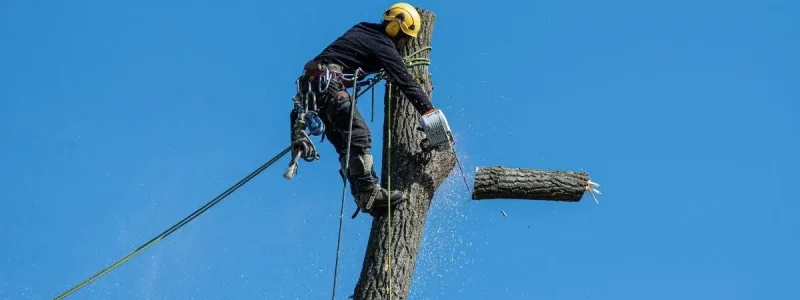
Professional Tree Removal Services use tools that match the tree and the site. That may include ropes and rigging systems, chainsaws sized for the trunk, chippers, stump grinders, and in many cases a bucket truck or crane for high-risk removals.
Sectional removal when needed
In tight spaces, a tree is removed in sections rather than felled in one piece. Limbs are cut and lowered with rigging. The trunk is “topped down” in controlled segments. This method reduces damage risk and increases precision.
Trained technique, not just strength
Tree work is skilled work. Cutting technique, hinge control, tension and compression awareness, and rigging knowledge all play a part. This is where safety and efficiency meet. The crew moves steadily because the process is planned, not rushed.
Efficient Does Not Mean Careless
Homeowners often ask for “quick” removal, but speed is not the main measure of efficiency. Efficiency is doing the job with fewer risks, fewer mistakes, and fewer repeat visits.
A well-run removal typically means:
- Clear scheduling and realistic time windows
- A crew sized appropriately for the tree and access
- Clean work habits that reduce property impact
- Debris handling included, not treated as an afterthought
- A final walkthrough to confirm cleanup expectations
If you are comparing providers, pay attention to how they describe the work. A careful estimate that includes safety steps is usually a better sign than a vague promise to “get it done fast.”
Removing Trees Near Homes, Fences, and Power Lines
Removal gets more complex when the tree is close to something you care about. In these cases, the contractor’s planning matters as much as their tools.
Near a house or roof: Controlled lowering is often required to protect shingles, gutters, and windows.
Near fences and landscaping: Crews may use mats and staged drop zones to reduce damage.
Near power lines: This is not a casual job. Utility proximity requires special care and may involve coordination. If a contractor acts relaxed about overhead lines, that is a warning sign.
Tight backyards: Narrow gates, soft soil, and limited truck access can change the approach. A capable team will explain how they will handle hauling and chipping without tearing up the yard.
These are the situations where experienced Tree Removal Services earn their keep. The work is less about cutting and more about managing risk.
What Happens After the Tree Comes Down
Tree removal is not finished when the trunk hits the ground. The remaining work affects your property’s appearance and safety.
Debris cleanup and hauling
Most homeowners want the brush chipped and removed, and the wood hauled away or cut into manageable lengths. Make sure you know what is included.
Stump options
A leftover stump can attract pests, get in the way of mowing, and become a tripping hazard. Many clients choose stump grinding so the area can be leveled and replanted.
If you plan to plant a new tree, ask about spacing and root considerations. Planting in the exact same spot is not always ideal.
Spot repair
Depending on access and soil conditions, the crew may recommend light raking, reseeding, or leveling after heavy work. A good contractor will be honest about what can and cannot be avoided.
Questions to Ask Before You Hire
A tree removal estimate should not feel like guesswork. These questions help you judge whether a contractor is prepared.
- What is the reason you recommend removal instead of trimming or treatment?
- Will the tree be felled in one piece or removed in sections? Why?
- What steps will you take to protect the roof, driveway, fence, and landscaping?
- Is debris hauling included? What about wood hauling?
- Do you offer stump grinding, and how deep will you grind?
- How will you handle work near utility lines or tight access points?
Even if you do not know much about tree work, clear answers are easy to recognize.
A Practical Note on Cost
Tree removal pricing depends on more than tree size. Access, risk, proximity to structures, required rigging, and cleanup time all affect cost. A fair quote reflects the work involved, the equipment needed, and the safety steps required.
Low quotes often leave out important details like hauling, stump grinding, or the controlled approach needed near buildings. The true cost may show up later as property damage or unfinished cleanup.
Your Next Step With Arbor Plus
If you have a tree that looks unstable, damaged, or simply in the wrong place, the safest move is an on-site evaluation. Arbor Plus provides Tree Removal Services focused on safe planning, careful execution, and clean results.
Call Arbor Plus at 801-485-8733 to schedule a tree removal estimate and get a clear plan for your property.