Homeowners often use the terms tree pruning and tree trimming as if they mean the same thing. In everyday conversation that may not seem important. In professional tree care, however, the difference matters. The method used affects tree health, safety, growth patterns, and even property value.
At its core, tree pruning focuses on the long-term health and structure of a tree. Tree trimming is usually concerned with appearance and size control. Both services are valuable. The key is knowing which one your trees actually need.
If you are searching for reliable Tree Pruning Services, it helps to understand what the service includes and why timing and technique are critical.
What Is Tree Pruning?
Tree pruning is a deliberate process that removes specific branches to improve a tree’s health, strength, and natural form. It is guided by knowledge of tree biology, growth cycles, and structural integrity.
Professional tree pruning may involve:
- Removing dead or diseased branches
- Eliminating crossing or rubbing limbs
- Reducing weak branch unions
- Improving air circulation within the canopy
- Encouraging healthy growth patterns
Pruning is often performed to prevent disease spread and reduce the risk of branch failure. When done properly, it helps trees develop strong branch attachments and balanced structure.
Certified arborists understand how different species respond to pruning cuts. An improper cut can invite pests, fungal infections, or long-term structural weakness. That is why professional Tree Pruning Services are more than simple branch removal. They require training and careful judgment.
What Is Tree Trimming?
Tree trimming generally focuses on shaping and maintaining the size of a tree or shrub. It is often used to improve curb appeal, maintain clearance from buildings, or keep branches away from power lines.
Tree trimming typically includes:
- Cutting back overgrown branches
- Maintaining a neat canopy shape
- Removing excess growth for visibility
- Managing hedge and shrub form
Trimming does not always involve deep structural evaluation. It is often done for aesthetic purposes or space management. While trimming can support health if done correctly, it does not replace proper pruning when structural issues are present.
In residential areas, trimming is common for ornamental trees and landscape design. Pruning is more common when long-term health and safety are the main concerns.
Key Differences Between Pruning and Trimming
Although both services involve cutting branches, the intention and technique differ.
Purpose
Pruning improves health, structure, and safety. Trimming improves appearance and controls size.
Timing
Pruning is often done during dormant seasons to minimize stress and disease risk. Trimming can be performed more frequently depending on growth rate.
Technique
Pruning cuts are selective and strategic. Trimming cuts are usually broader and more surface level.
Impact on Tree Health
Proper pruning strengthens the tree over time. Improper trimming can sometimes weaken growth if too much foliage is removed.
Understanding these differences helps property owners make informed decisions. Choosing the correct service protects your investment and promotes long-term tree vitality.
Why Tree Pruning Services Matter
Trees are living systems. They respond to stress, injury, and environmental changes. Without proper care, small structural issues can turn into major hazards.
Professional Tree Pruning Services address problems before they escalate. Weak branches can fall during storms. Dense canopies can trap moisture, leading to fungal growth. Diseased limbs can infect the rest of the tree if not removed promptly.
Pruning also improves sunlight penetration and air flow. This supports photosynthesis and reduces the likelihood of pest infestations. Healthy trees are more resistant to drought and environmental stress.
From a property standpoint, well-maintained trees increase curb appeal and preserve landscape value. Neglected trees can damage roofs, fences, and driveways.
Common Situations That Require Pruning
Homeowners often delay pruning because trees appear healthy from a distance. However, certain signs indicate that Tree Pruning Services are necessary.
Look for:
- Dead or hanging branches
- Cracks in large limbs
- Branches growing toward the trunk center
- Uneven canopy weight
- Signs of disease such as discoloration or decay
Young trees also benefit from structural pruning. Early shaping encourages balanced growth and prevents future problems. Waiting until a tree matures can make corrections more difficult and costly.
When Trimming Is the Better Choice
Trimming is appropriate when a tree has outgrown its intended space or when aesthetics are the primary concern.
For example:
- Branches blocking windows
- Overgrowth interfering with walkways
- Hedges losing defined shape
- Trees growing close to utility lines
Regular trimming keeps landscapes tidy and manageable. However, trimming should still be done carefully. Excessive cutting can stress the tree and trigger weak regrowth.
Professional tree care providers evaluate each situation before recommending a service. Sometimes both pruning and trimming are required to achieve the desired result.
The Importance of Professional Expertise
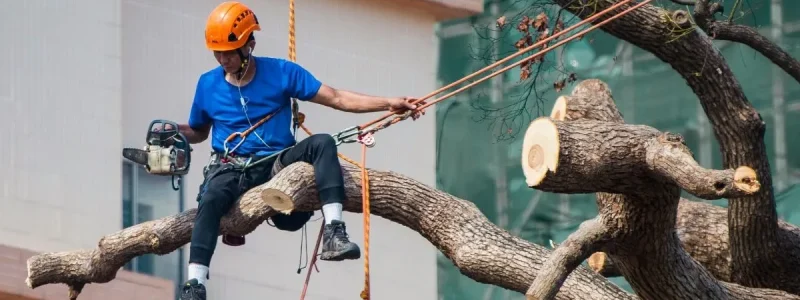
Tree work carries risk. Improper cuts can injure the tree and create safety hazards. Climbing and cutting large limbs without training can also lead to serious injury.
A reputable company such as Arbor Plus approaches tree care with precision and responsibility. Experienced crews understand species-specific needs, seasonal timing, and proper cutting techniques.
Tree Pruning Services performed by trained professionals follow industry standards. Each cut is made with a purpose. Tools are sanitized to prevent disease spread. Safety protocols are followed to protect both workers and property.
Attempting major pruning without expertise often leads to costly mistakes. Trees cannot easily recover from severe structural damage caused by poor technique.
Seasonal Considerations
Timing plays a significant role in effective pruning. Many deciduous trees respond best to pruning during late winter when they are dormant. This reduces stress and allows clear visibility of branch structure.
Flowering trees may require pruning after their bloom cycle. Evergreens often have different timing requirements.
Trimming, especially light maintenance trimming, can occur more frequently. Still, extreme heat or drought conditions should be avoided.
A professional evaluation ensures that Tree Pruning Services are scheduled at the proper time for optimal results.
Long-Term Benefits for Your Property
Healthy trees contribute to shade, energy savings, and overall landscape stability. They anchor soil and reduce erosion. They also provide habitat for wildlife and improve neighborhood appearance.
Routine pruning and trimming protect these benefits. Well-maintained trees are less likely to drop heavy limbs during storms. They grow with balanced structure and improved longevity.
Property owners who invest in proper tree care often avoid emergency removals later. Preventive pruning is usually far less expensive than storm damage repair.
Arbor Plus provides careful assessment and tailored recommendations for each property. Whether your trees need structural correction or simple shaping, informed guidance makes the difference.
A Thoughtful Approach to Tree Care
Tree pruning and tree trimming are not interchangeable services. One focuses on health and structural integrity. The other maintains appearance and size. Both require skill, timing, and an understanding of tree growth patterns.
If your property shows signs of overgrowth, weak branches, or uneven canopy development, professional evaluation is the next logical step. Tree Pruning Services help protect your trees and your investment for years to come.
For experienced, dependable care, contact Arbor Plus at 801-485-8733.
Call Arbor Plus today at 801-485-8733 to schedule professional Tree Pruning Services and protect your trees with expert care.