Tree care in Utah is shaped by climate, elevation, and soil more than many homeowners realize. Cold winters, dry summers, and sharp seasonal swings place real stress on trees. Proper timing matters. Seasonal Tree Trimming Services are not cosmetic work. They are a form of long-term care that affects structure, safety, and growth. Understanding what to trim and when helps trees survive Utah conditions and keeps properties safer year-round.
Why Seasonal Timing Matters in Utah
Utah’s varied hardiness zones create different growth cycles across the state. Trees respond to temperature, daylight, and moisture rather than the calendar alone. Trimming at the wrong time can weaken a tree, slow recovery, or expose it to disease.
Seasonal Tree Trimming Services work best when cuts align with natural growth pauses or active healing periods. Arbor Plus plans trimming schedules around these cycles to support healthy regrowth rather than forcing it.
Key factors that influence timing include dormancy, sap flow, pest activity, and storm exposure.
Winter Trimming and Structural Correction
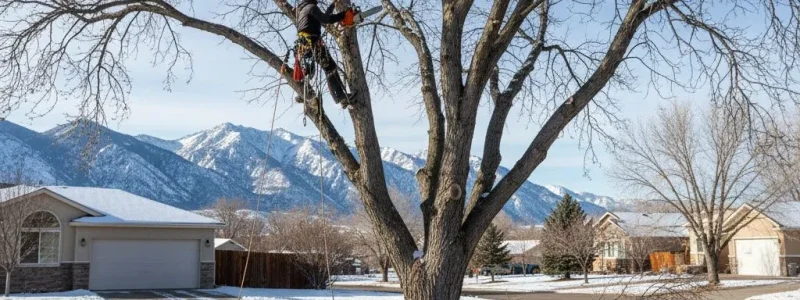
Winter is often the most effective season for major trimming work. Most deciduous trees are dormant, meaning energy is stored in the roots rather than flowing through branches.
Benefits of winter Tree Trimming Services include clearer visibility of branch structure and reduced stress on the tree. With leaves gone, weak limbs, crossing branches, and structural imbalances are easier to identify.
Winter trimming is ideal for:
- Removing dead or broken limbs
- Correcting structural defects
- Reducing weight on heavy branches
- Preparing trees for spring growth
Evergreens can also be trimmed lightly in winter, though heavy cuts are usually avoided.
Spring Trimming for Growth Management
Spring is a time of active growth. Sap flow increases, buds open, and trees begin using stored energy. Trimming during this season must be selective and restrained.
Spring Tree Trimming Services focus on shaping young trees, managing early growth, and removing winter damage. Cuts heal faster, but excessive trimming can divert energy away from leaf and root development.
Spring trimming works best for:
- Young tree training
- Removing frost-damaged limbs
- Light canopy thinning
- Managing flowering trees after bloom
Fruit trees are often trimmed in early spring to guide production and improve airflow.
Summer Trimming for Safety and Control
Summer trimming is often driven by safety rather than growth. Trees are fully leafed, making it easier to spot overgrowth near roofs, power lines, and walkways.
Tree Trimming Services in summer are used to reduce risk and manage size, especially in urban and suburban areas. While heavy trimming is avoided, targeted cuts can improve clearance and reduce wind resistance.
Common summer trimming needs include:
- Removing hazardous limbs
- Clearing branches from structures
- Managing fast-growing species
- Improving visibility and access
Summer trimming should always be done carefully to avoid sun scald and excessive stress.
Table: Seasonal Tree Trimming Focus in Utah
| Season | Primary Goal | Best Trimming Tasks |
| Winter | Structure and safety | Deadwood removal, major cuts |
| Spring | Growth guidance | Shaping, frost damage cleanup |
| Summer | Risk reduction | Clearance, hazard control |
| Fall | Preparation and restraint | Minimal corrective trimming |
Fall Trimming and Preparation for Cold
Fall trimming requires restraint. Trees are preparing for dormancy, pulling nutrients back into roots. Heavy trimming at this stage can interfere with that process.
Fall Tree Trimming Services focus on light corrective work and hazard reduction before winter storms arrive. Dead branches that could fall under snow load are removed, but healthy growth is usually left intact.
Appropriate fall tasks include:
- Removing dead or diseased limbs
- Clearing storm-damaged branches
- Reducing broken or hanging limbs
- Inspecting trees before snowfall
Aggressive trimming is typically postponed until winter dormancy.
Species-Specific Considerations in Utah
Not all trees follow the same rules. Utah landscapes include maple, ash, elm, oak, spruce, pine, and fruit-bearing species, each with unique trimming needs.
Oak trees, for example, should avoid spring and summer trimming due to disease risk. Fruit trees benefit from late winter or early spring trimming. Evergreens require lighter, more precise cuts year-round.
Professional Tree Trimming Services account for species, age, location, and overall health rather than applying a single seasonal rule.
Safety and Property Protection
Improper trimming creates hazards rather than preventing them. Overcut branches can split, decay can spread, and unbalanced canopies can fail during storms.
Arbor Plus approaches Tree Trimming Services with a safety-first mindset. Proper cuts, correct angles, and weight distribution protect both trees and surrounding structures. This matters most near homes, driveways, and utility lines.
When Professional Tree Trimming Matters Most
Some trimming tasks should never be handled without training and equipment. Large limbs, elevated work, and trees near power lines present serious risks.
Professional Tree Trimming Services provide:
- Proper climbing and rigging methods
- Knowledge of tree biology
- Compliance with local safety standards
- Equipment suited for Utah terrain
Routine maintenance performed at the right time reduces emergency calls later.
Seasonal tree care is not about cutting more. It is about cutting wisely. Utah’s climate rewards patience, timing, and informed decisions. When trimming aligns with seasonal cycles, trees grow stronger, recover faster, and remain safer year after year.
Arbor Plus delivers Tree Trimming Services built around Utah’s seasons, species, and landscapes, helping property owners protect their trees and their investments.